
“Tony the Second” of Tigray
How Gebregzihabeher is Regrowing Hope
Alemayehu Markos, Project Manager, World Vision Ethiopia
Bitima Milkessa, Advocacy and Communications Coordinator, World Vision Ethiopia
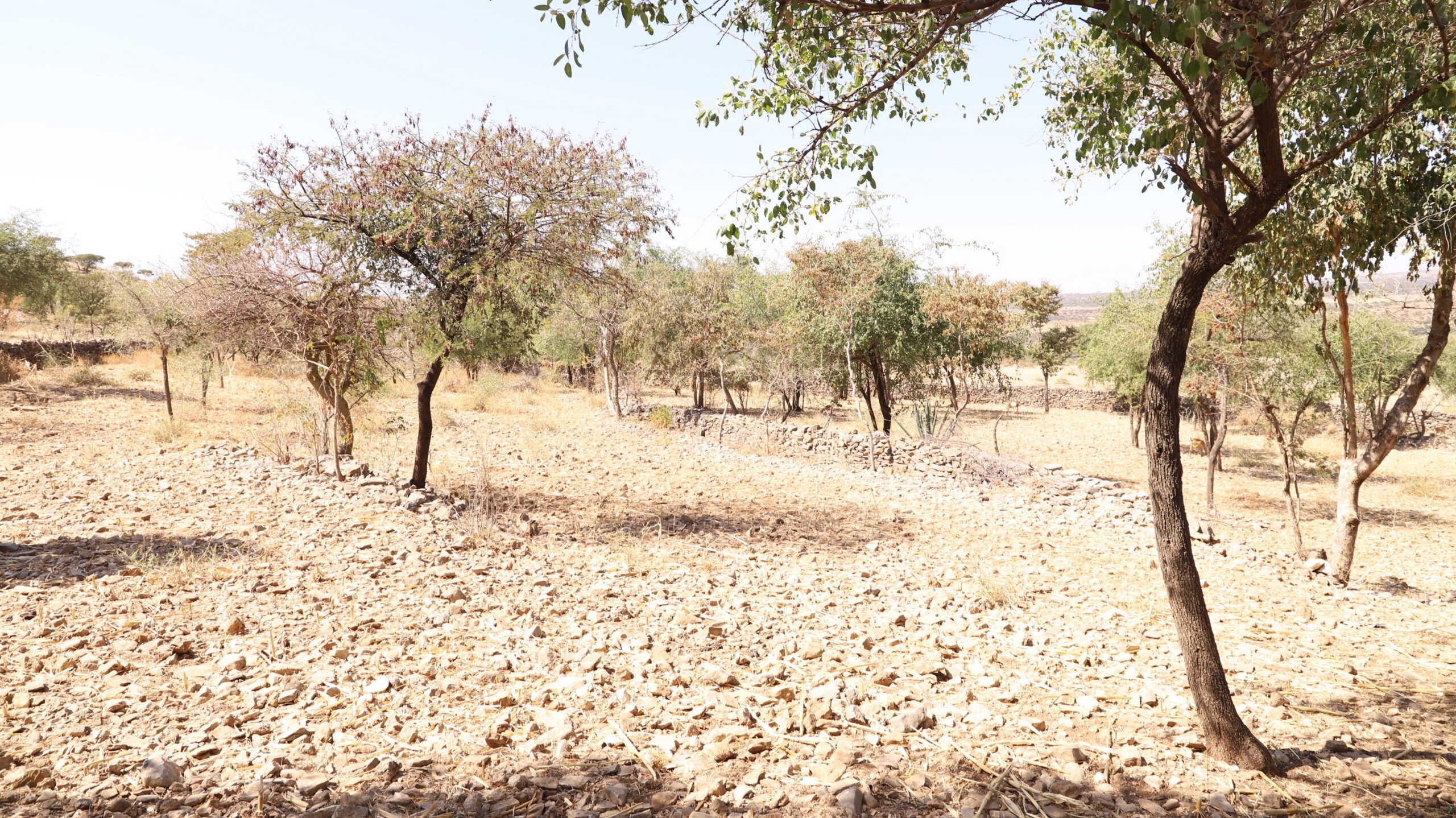
In the gently sloping, clay-soiled land of Tanqua Milash District, a quiet revolution in land restoration is taking place, led by a passionate 70-year-old farmer named Gebregziebeher. Despite the challenges posed by the intense temperature and unpredictable rainfall of the semi-arid Tanqua Milash District, Gebregziebeher has emerged as a local champion of Farmer Managed Natural Regeneration (FMNR). His land, once vulnerable to the elements, is now a thriving work of native vegetation, including species such as Ziziphus spina-christi (Giba), Acacia, and Terminalia brownie (Weyiba). While Gebregziebeher has always possessed a deep-seated love for trees, it was a training session with World Vision Ethiopia in Wukro, Tigray, that gave his indigenous wisdom a new depth and structure, transforming his 2.5-hectare farm into a model of ecological resilience.
Gebregziebeher manages a total of 469 trees across 17 different species, maintaining an impressive density of 117 trees per hectare. His philosophy is rooted in the belief that naturally regenerated trees are far more resilient than planted seedlings, which often fail to thrive in the harsh climate. By practicing intensive management such as strategic pruning, thinning, and fencing, he has ensured that his trees grow straight and strong.
Inspired by the fact that Tony taught a nation about Farmer Managed Natural Regeneration, Gebregziebeher felt a personal responsibility to mentor his neighbors, setting a goal to become “Tony the Second”. While skeptics in his town often ask who is paying him for his time, he tells them that protecting natural resources is his true pay. This passion has turned him into a tireless teacher who spends his Sundays visiting local churches to share the benefits of land restoration with the community and goes to schools to teach students
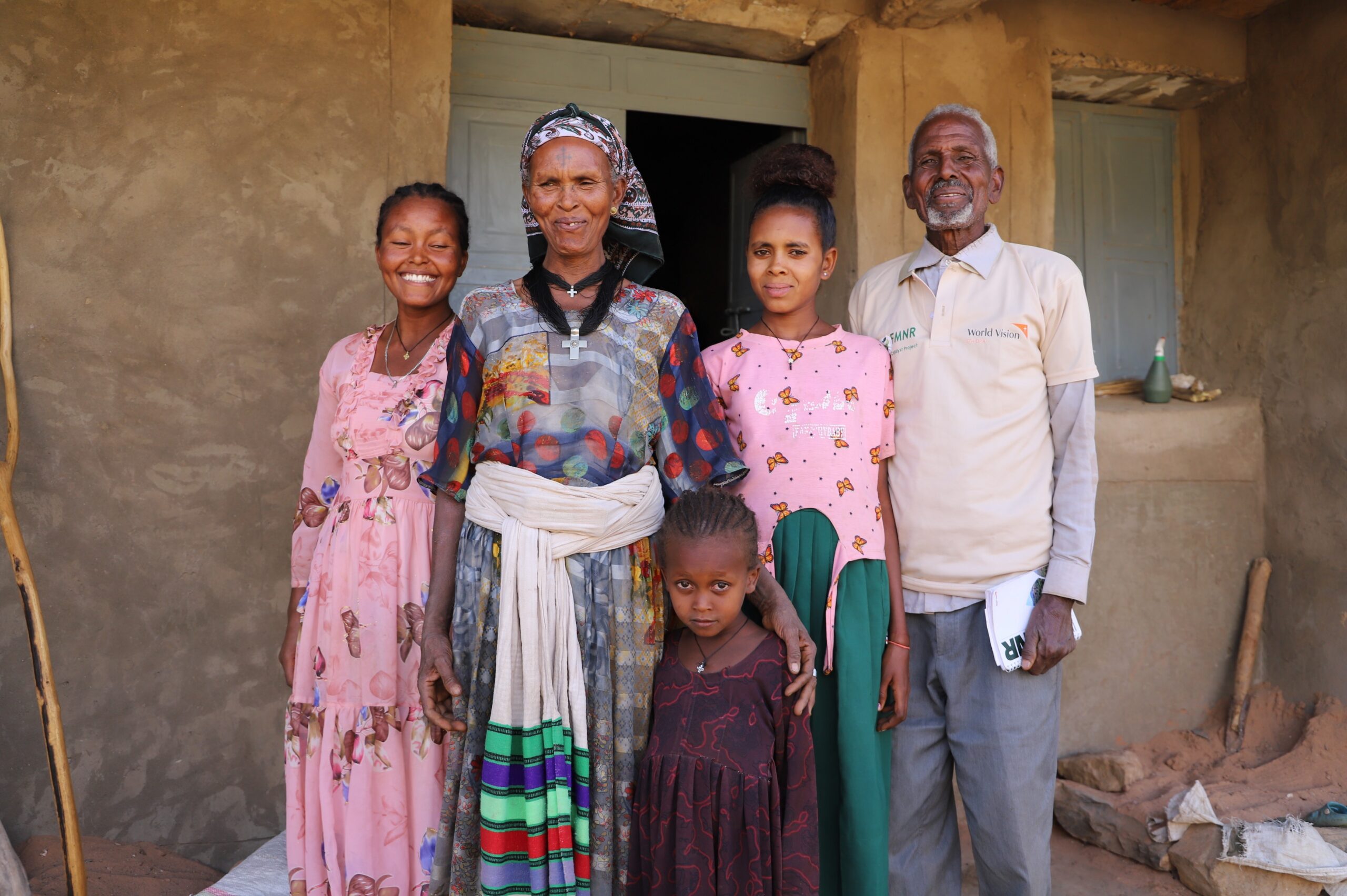
World Vision Photo / Bitima Milkessa
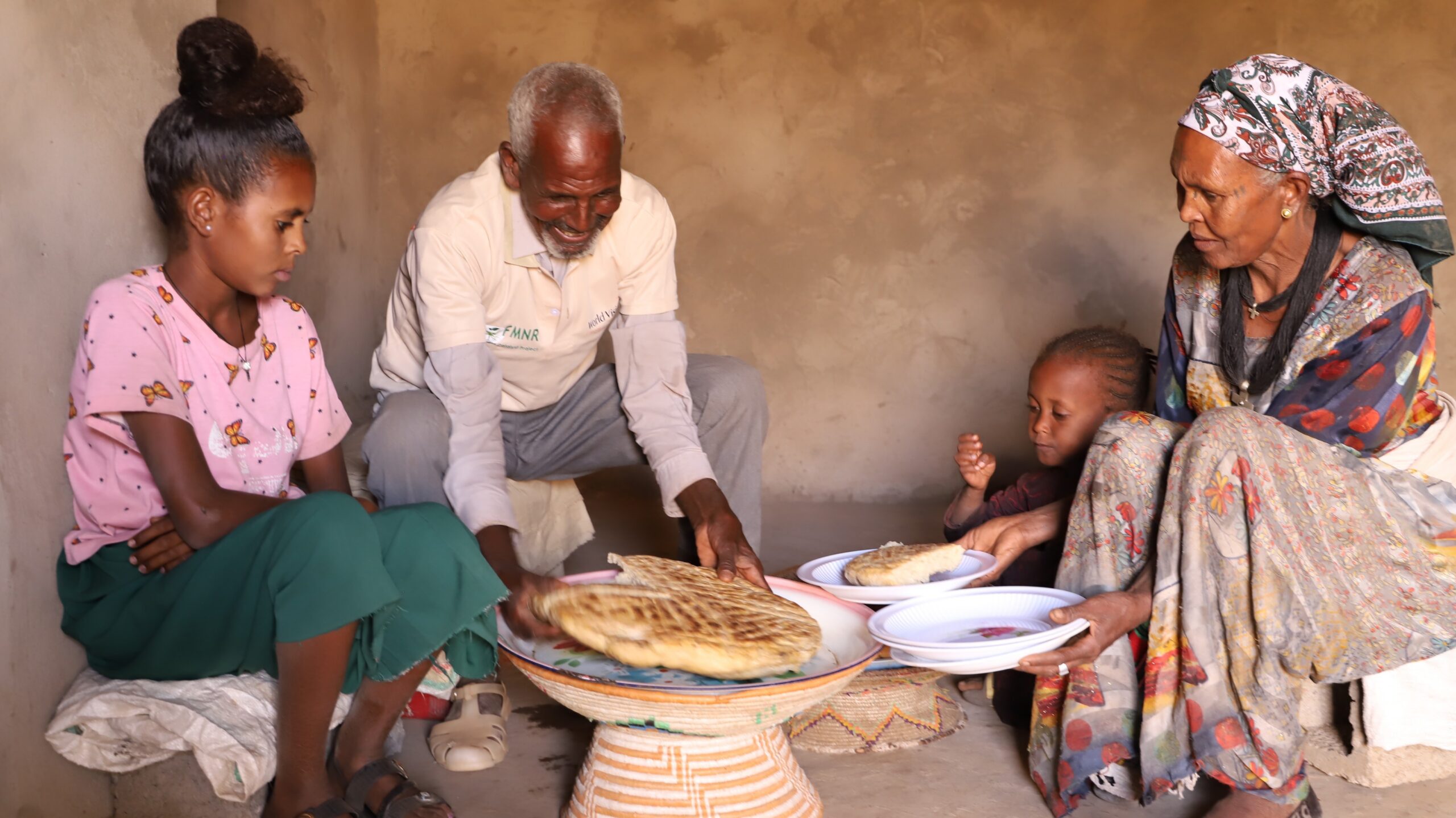
World Vision Photo / Bitima Milkessa
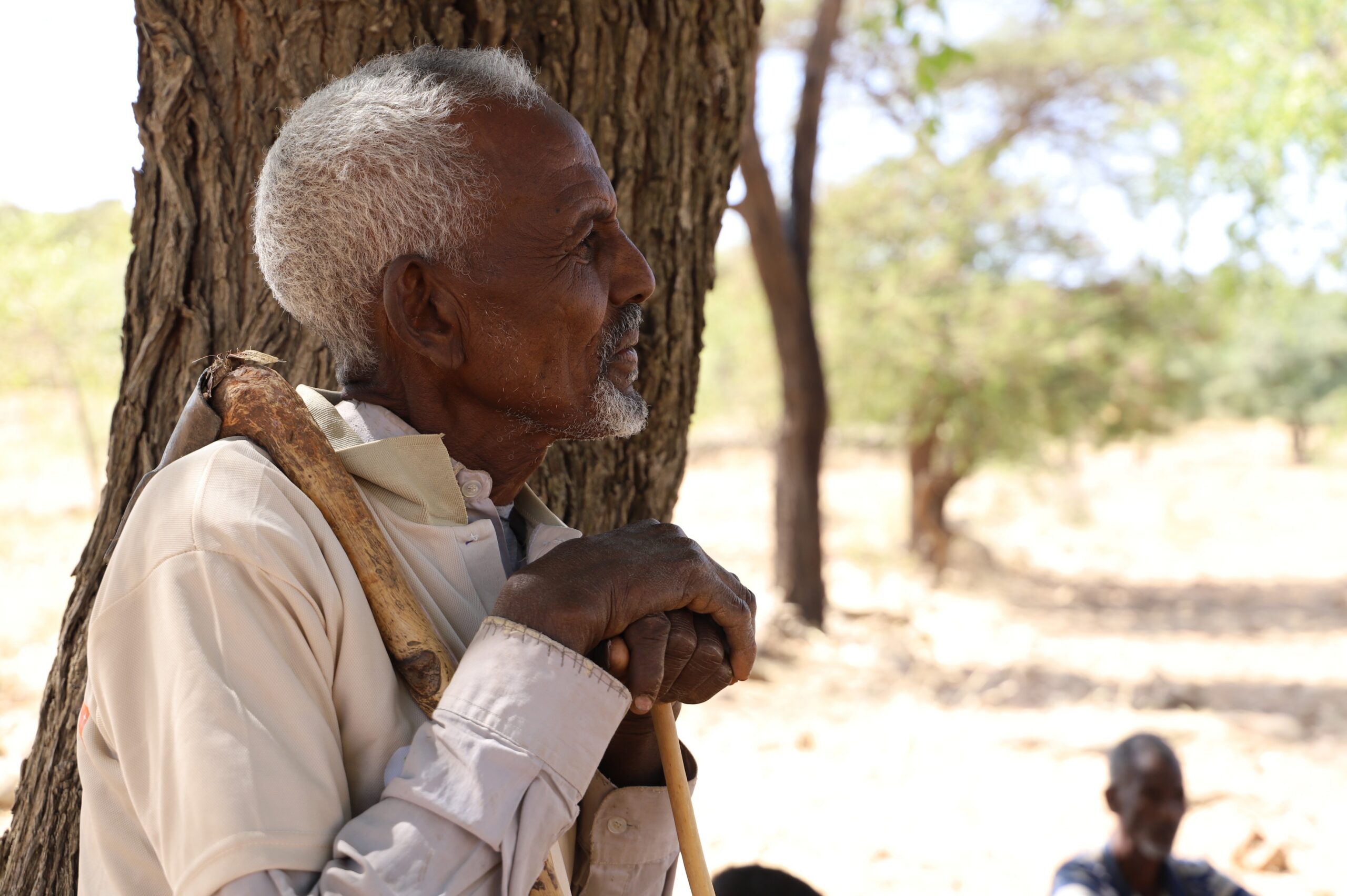
World Vision Photo / Bitima Milkessa
Gebregziebeher said, “I see how excited and motivated the students become when I talk to them about the importance of trees. They ask a lot of questions because they genuinely want to understand how trees help protect our land and why we need to prevent land degradation. It’s inspiring to see their curiosity and eagerness to learn how they can take care of their environment.
He keeps a registration notebook to track the farmers he has taught; to date, he has reached over 3,000 people and personally mentored 10 neighboring farmers in adopting these practices.
“I never mind that I am tired; I just go forward,” Gebregziebeher says. “Learn today, tomorrow, always learning.”
The impact of this stewardship is most evident within Gebregziebeher’s own household of eight. By reviving the soil, he has secured his family’s future, earning an average annual income of 136,000 Birr from wood sales and fruits like mangoes, oranges, and grapes. His family no longer relies on local markets for firewood or construction materials, and the trees provide a vital financial safety net during periods of drought.
Miraf, Gebre’s daughter in grade 7, said, “I told my classmates that my father is an environmental advocate who teaches communities by visiting different kebeles.” She added, “Our garden is green. We use trees for firewood and income-generating activities. My father also buys me exercise books by selling Terminalia brownie seeds.”
Ultimately, his work is about creating a “conducive environment” for his children and grandchildren, ensuring they grow up with food security and economic stability. Despite obstacles like a lack of specialized tools, he remains committed to his legacy, proving that local champions can revive both the soil and the hope of an entire region.
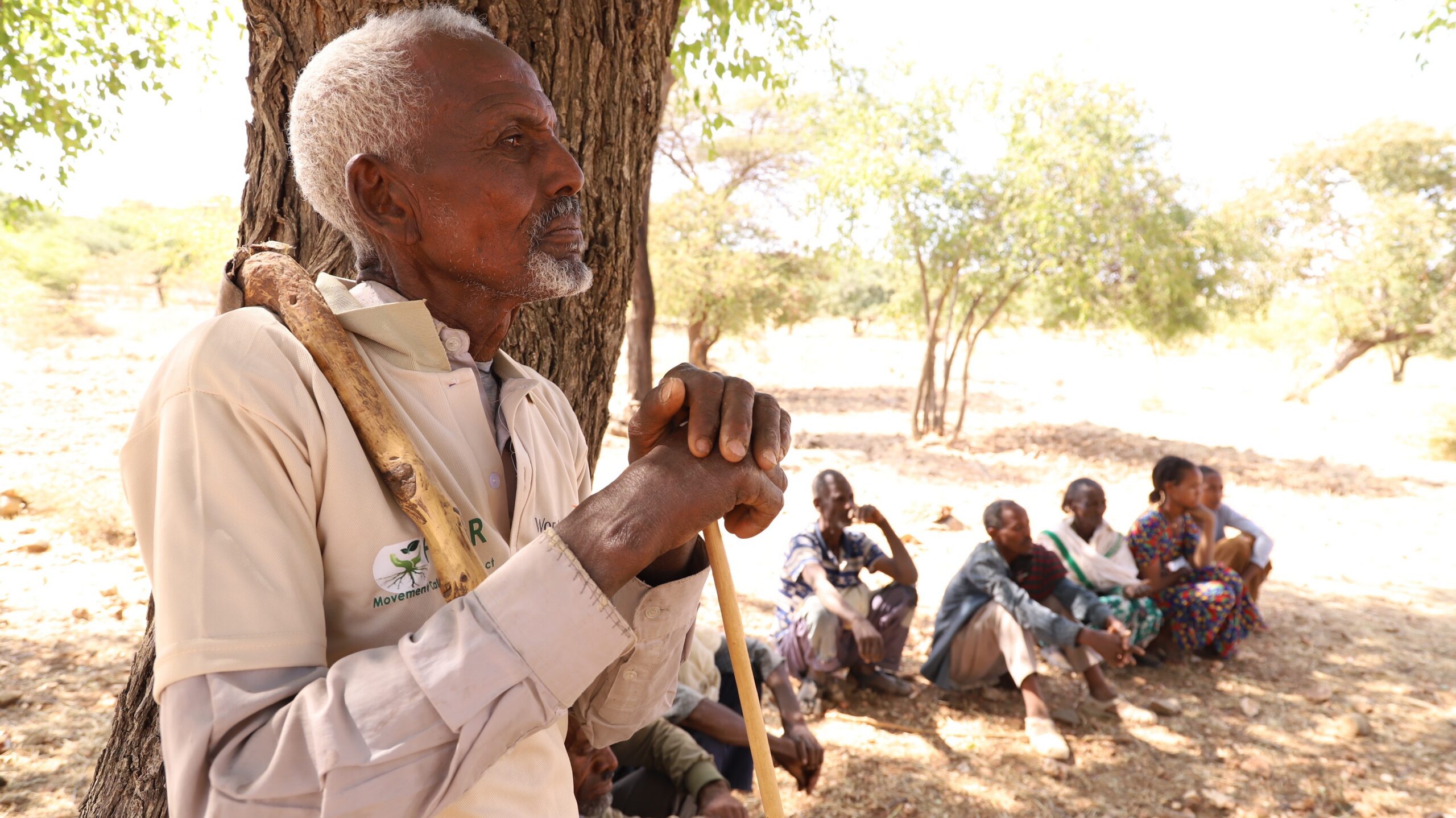
World Vision Photo / Bitima Milkessa
World Vision Photo / Bitima Milkessa