
PARTNERSHIPS
Global Engagement for Positive Impact
World Vision at the Conference of the Parties (COP)
World Vision’s COP Hub
World Vision welcomes global dialogue at the Conference of the Parties for united action and alignment global efforts to tackle climate change, biodiversity loss and land degradation.
Key links
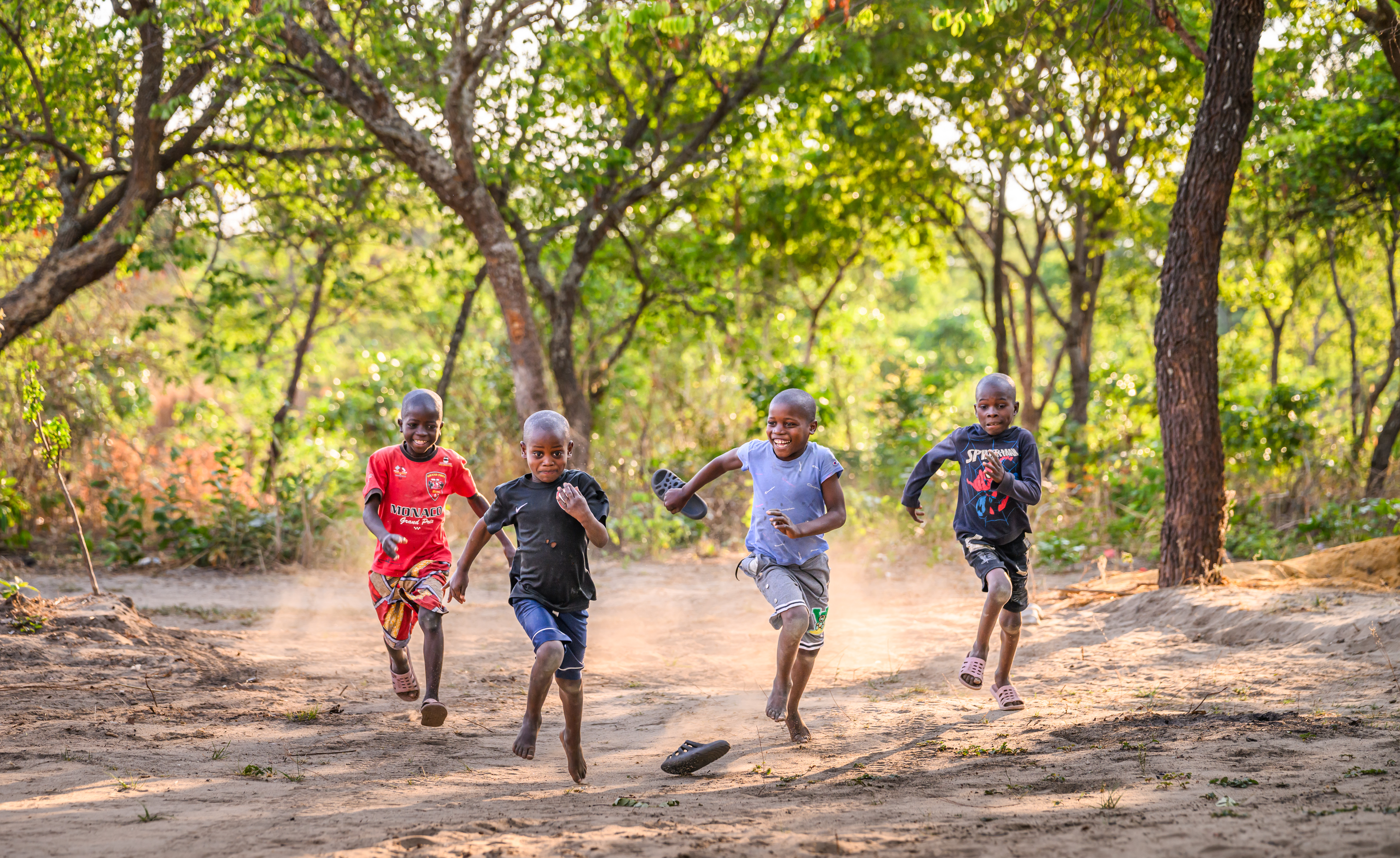
World Vision International is a global Christian humanitarian organization that helps children, families, and communities overcome poverty and injustice.
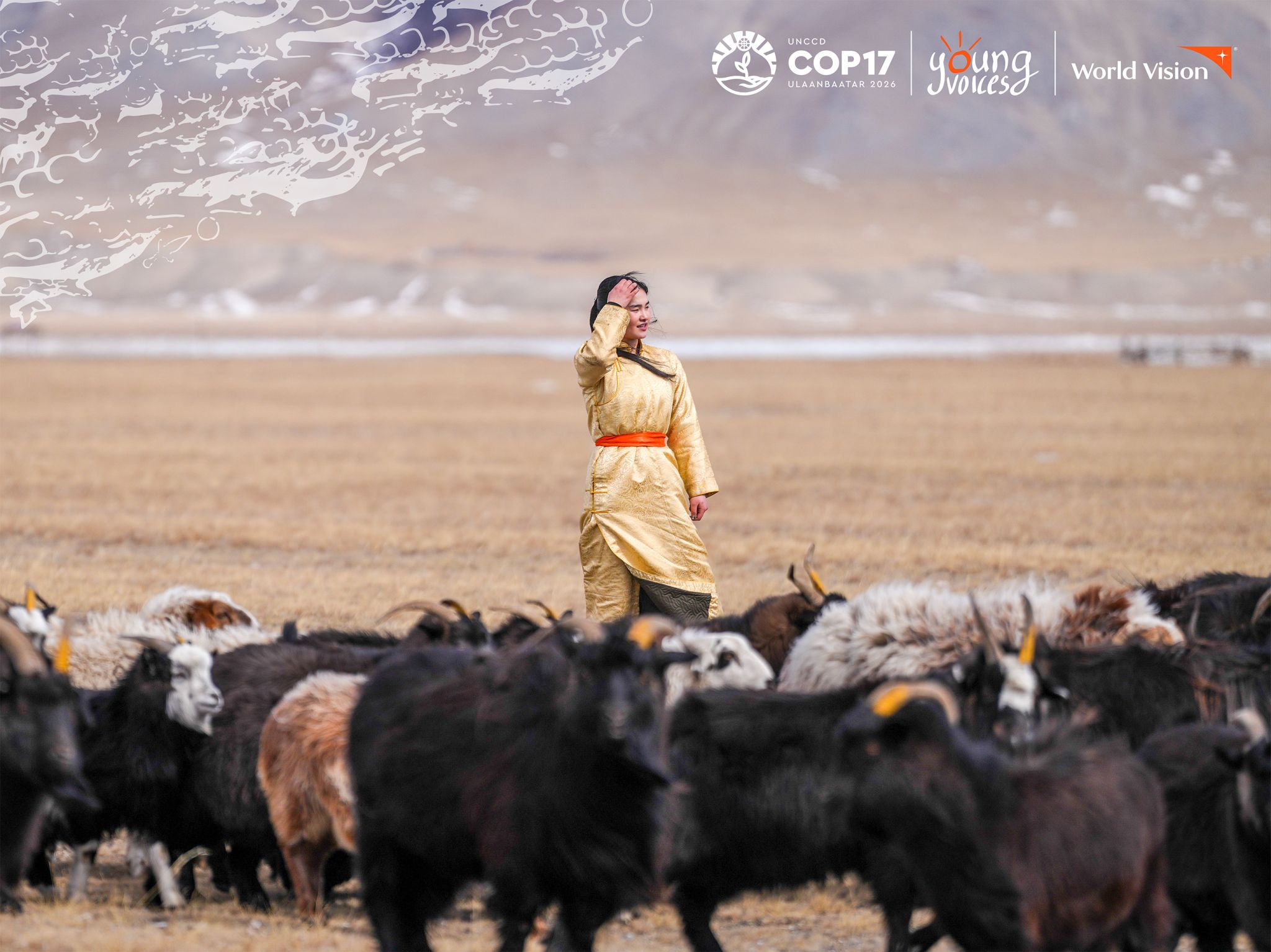
World Vision Mongolia is a Christian humanitarian organization that works with children, families, and communities to reduce poverty, protect children, and respond to disasters.
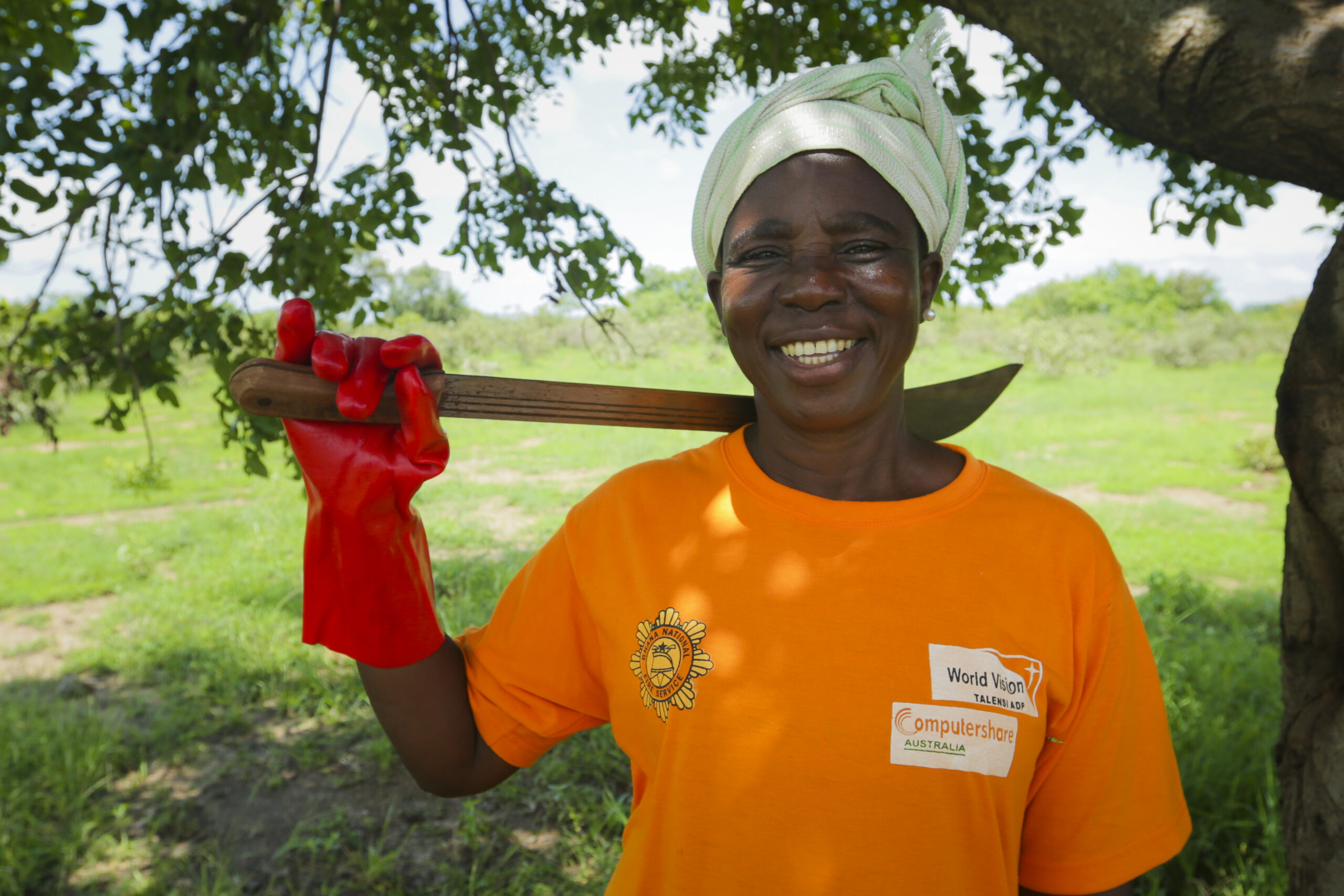
The FMNR Hub is a platform providing resources, case studies and guidance on the community-led natural regeneration technique called Farmer Managed Natural Regeneration.
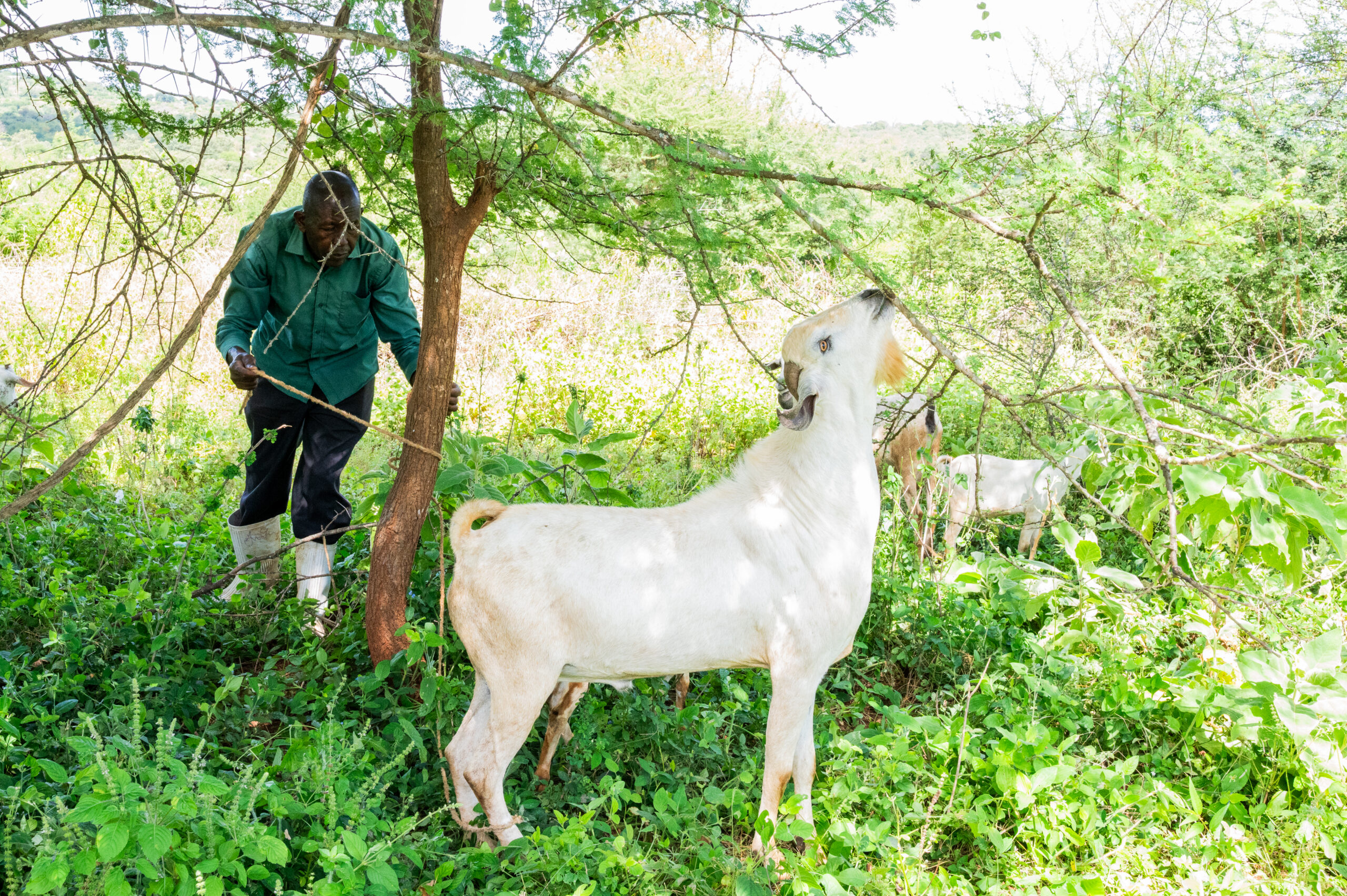
World Vision’s Regreening Communities Project Model address all these issues by guiding communities through a participatory environmental restoration process.
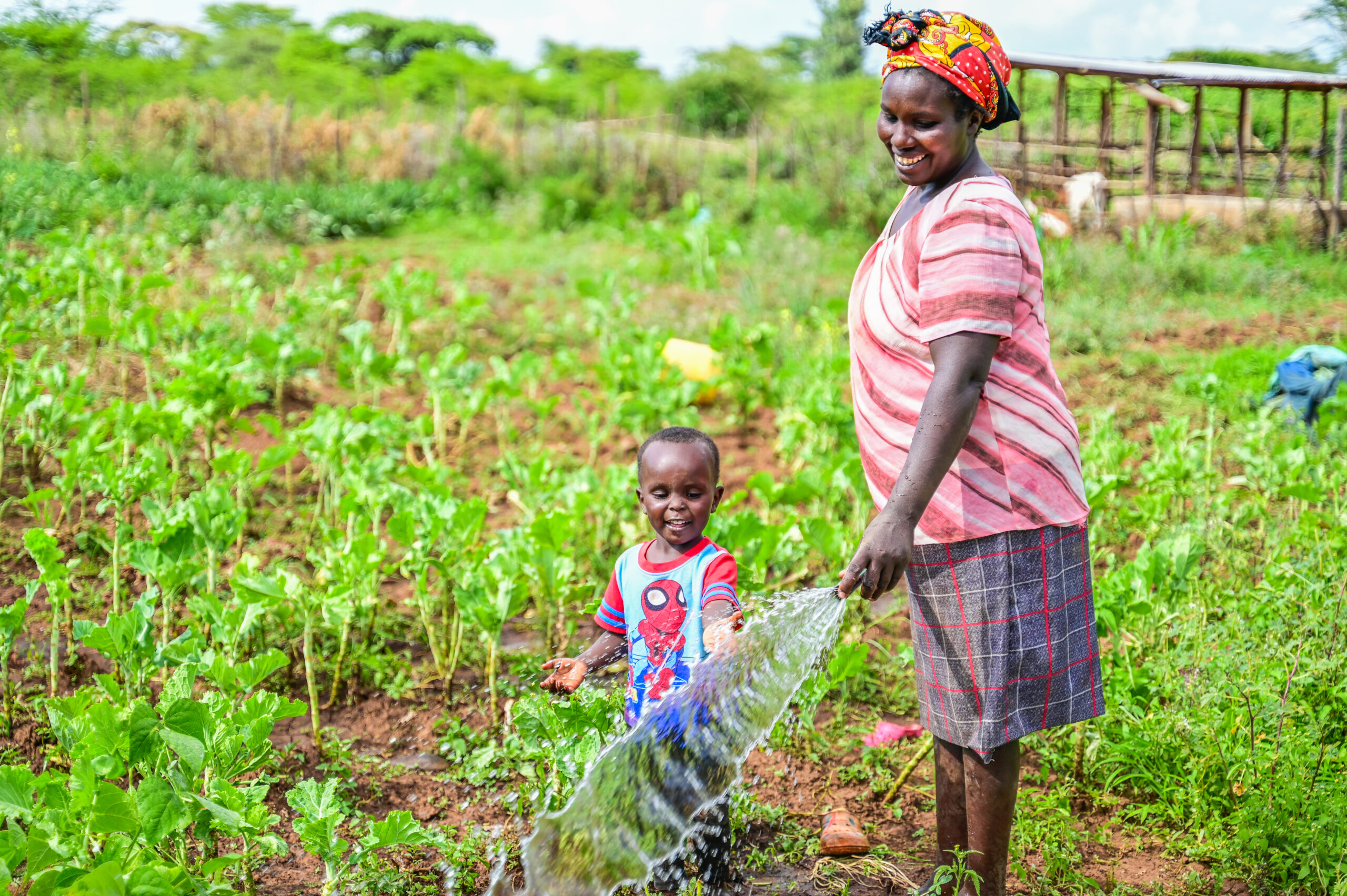
The Central Rift Farmer Managed Natural Regeneration Scale-Up Project (CRIFSUPI / CRIFSUP2) is a land restoration and food security initiative in Kenya led by World Vision Australia and World Vision Kenya.
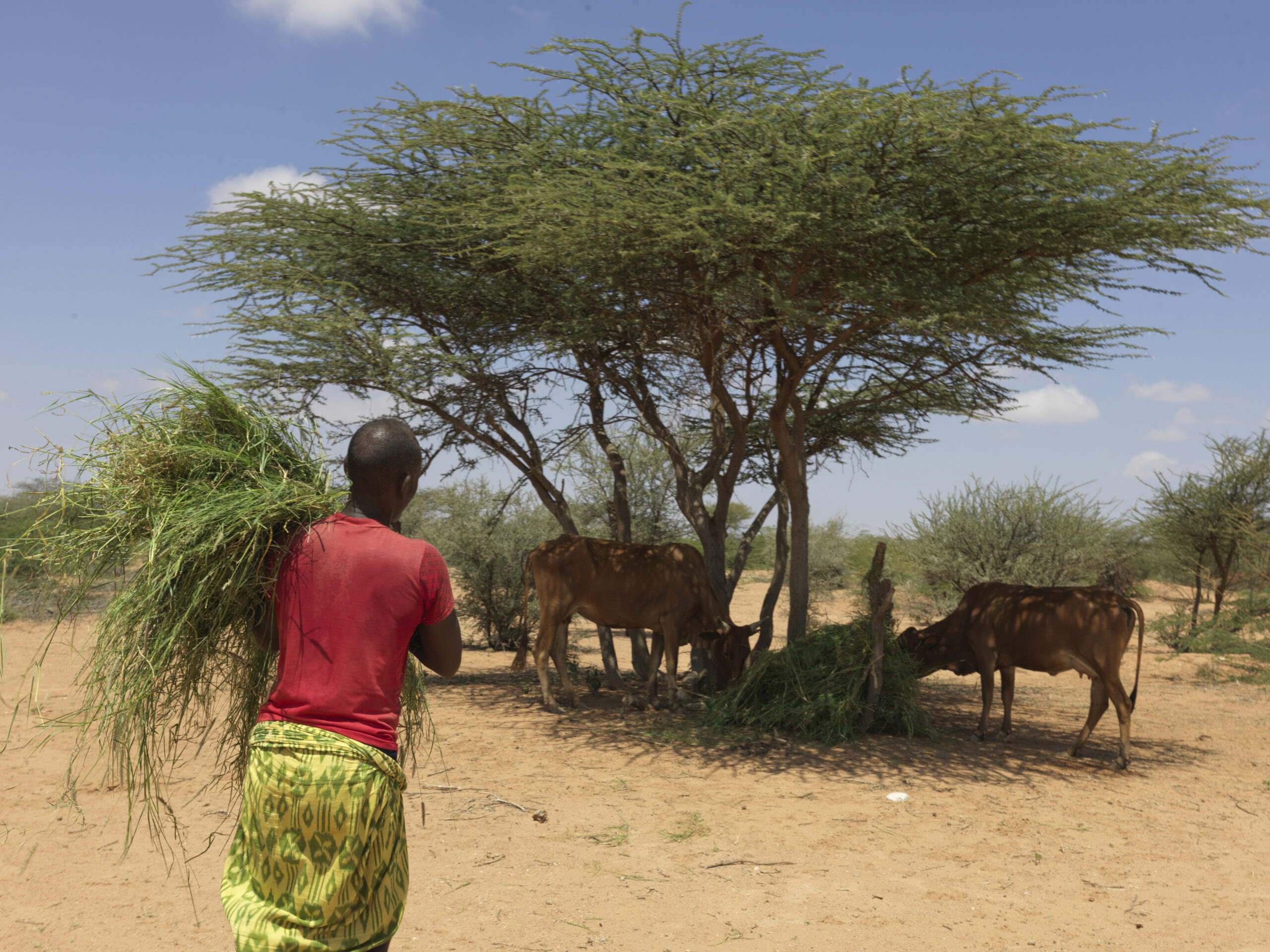
Regreening Africa funded by the EU and implemented in Kenya, Rwanda, Somalia, Senegal, Ghana, and Niger, success of this project has led to it being recognised as one of the seven UN World Restoration Flagships.
World Vision and the Road to COP
World Vision is preparing for UNCCD COP17 in Ulaanbaatar
Children’s Voices Taking Action for a Sustainable Future
As Mongolia prepares to host the Seventeenth Session of the Conference of the Parties to the United Nations Convention to Combat Desertification (COP17), World Vision Mongolia has been leading the Young Voices for COP17 advocacy campaign to ensure that children and young people are meaningfully represented in environmental decision-making processes.
Restoring Our Nature Series
Through these videos, created by young researcher O. Nomin as part of the “Young Voices for COP17” national campaign, Mongolia’s traditional approaches to environmental conservation and the active role of children and young people are being showcased to the global community.
🌱 As we approach the COP17 Conference of the Parties, the time has come to heed the call to restore our planet and to listen to the voices of children and youth.
FAQs
What is FMNR?
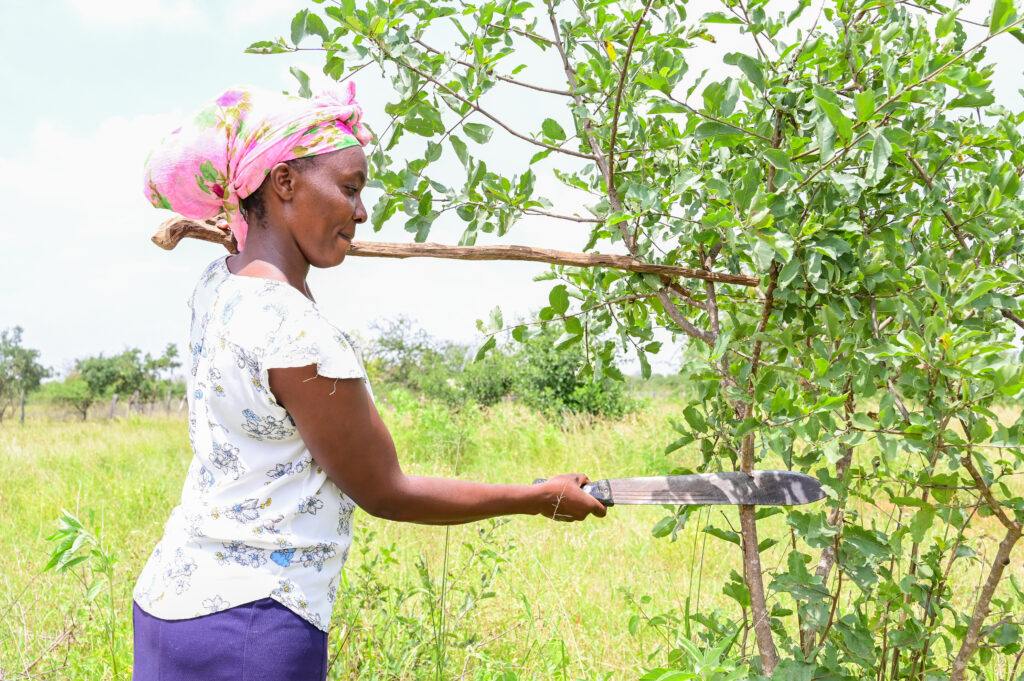
FMNR (Farmer Managed Natural Regeneration) is a simple, scalable, and community-driven approach for restoring degraded landscapes. FMNR is all about regrowing trees from stumps with living root systems through careful pruning and protection. This pruning practice can even be done with existing seedlings and saplings. Many of these come from trees that were cut down long ago but are still alive underground (also known as the underground forest). Many organisations worldwide have embraced FMNR due to its effectiveness. It doesn’t require expensive tools, just some training and something simple like a knife or machete. Anyone can do it, but it works best when the whole community works together.
What evidence is there of the impacts and benefits of FMNR?
Research shows FMNR restores degraded land, boosts crop yields, improves biodiversity, and strengthens food security and livelihoods. Millions of hectares have been regenerated globally, benefitting millions of people. Explore the full evidence base in our research library.
What practices go well with FMNR?
FMNR is most powerful when combined with other complementary practices. FMNR when combined with other land restoration methods like soil conservation, water management, and sustainable farming, can improve water access and management, strengthening livelihoods and food systems. FMNR can be used in different landscapes, from farms to forests to grazing land and even in water. Livelihood interventions can be paired with FMNR to improve income, nutrition, and resilience at household level. By combining FMNR with other efforts, communities can tackle social, economic, and environmental challenges more effectively.
Connect with us
Fill out the form below to get in touch. We’d love to connect with you.
We will use your information to process your request, engage with you and keep you updated on our work. Want to know more about how we will manage your personal information? Read our Privacy Policy.